



What is mortise and tenon joinery and why does it matter?
Mortise and tenon joinery is the defining feature of traditional timber frame construction — and a key reason why timber frame structures have stood for centuries. It’s what separates the NORWEH Pavilion HT from lesser outdoor structures.
How it works:
- A tenon — a precisely shaped projection — is cut at the end of one timber beam
- A mortise — a matching rectangular recess — is cut into the receiving timber
- The tenon slots tightly into the mortise, creating a mechanical connection that resists racking, twisting, and separation
- Traditional timber frames use wooden pegs (treenails) to lock the joint — NORWEH uses modern structural fasteners for code-compliant performance
Why it matters for your pavilion:
- Exceptional structural integrity – the joint becomes stronger under load over time
- Authentic aesthetic – exposed joinery is a visual hallmark of fine timber craftsmanship
- Longevity – mortise and tenon structures routinely last 100+ years in historical applications
- No visible bolt hardware – a cleaner, more refined appearance than bolt-connected alternatives
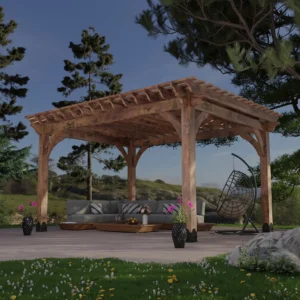
The Pavilion HT’s mortise and tenon construction is a primary reason it’s NORWEH’s most popular and most-reviewed model.