
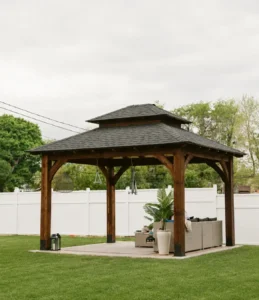
Pergola vs. Gazebo: Which One Actually Fits a Canadian Backyard
Planning a backyard upgrade in Canada usually brings homeowners to the same crossroads: a pergola or a gazebo. The pergola vs gazebo question looks simple




As winter ends and temperatures begin to rise across Canada, homeowners begin preparing their outdoor spaces for increased use. Structures like a backyard pavilion or pergola are exposed to months of snow, ice, and moisture, which can gradually impact their condition. Both pavilions and pergolas serve as valuable outdoor features, but they require seasonal care to maintain their performance and appearance.
Spring maintenance is essential to ensure these structures remain safe, durable, and ready for use. Whether you have a fully covered pavilion or an open pergola, inspecting the pavilion roof or overhead framework and maintaining the Douglas fir structure helps prevent long-term damage. High-quality builds from NORWEH Timber Frame, are designed for Canadian conditions, but regular upkeep is still necessary to preserve their longevity.
Spring is the ideal time to evaluate your backyard pavilion or pergola after the harsh winter season. Snow buildup, freezing temperatures, and moisture exposure can cause wear that becomes visible only when temperatures rise.
For a pavilion, inspecting the pavilion roof ensures that any winter-related damage is addressed early. In the case of a pergola, checking the open roof structure is equally important, as snow and ice can place stress on beams and connections. Early maintenance ensures both structures are ready for frequent use in warmer months.
A detailed inspection is the first step in maintaining a backyard pavilion or pergola. Look for signs of wear such as cracks, loose joints, or surface changes caused by moisture. Structural connections should be checked carefully, as they play a key role in stability.
The pavilion roof requires close attention in covered structures, including checking for debris, wear, or drainage issues. For pergolas, inspect the overhead beams and spacing to ensure they remain aligned and secure. Identifying issues early allows for timely repairs and helps maintain structural integrity.
Moisture is a major concern for any backyard pavilion or pergola, especially in Canadian climates. Prolonged exposure to snow and rain can lead to surface deterioration and structural stress if not properly managed.
The pavilion roof provides protection for covered structures, preventing water from reaching the main frame. Pergolas, which are more open, rely on proper drainage and protective treatments to minimize moisture impact. Ensuring both structures are maintained helps reduce the risk of long-term damage.
Cleaning is a crucial part of spring maintenance for both a backyard pavilion and pergola. Over time, dirt, leaves, and organic debris can accumulate, affecting both the appearance and durability of the structure.
The pavilion roof should be cleared of debris to maintain proper drainage and prevent water buildup. Pergolas also require cleaning between beams to remove trapped debris that can hold moisture. A clean structure not only looks better but also performs more effectively.
Protective treatments are essential for maintaining a backyard pavilion or pergola. Sealants and finishes help protect the Douglas fir from UV exposure, moisture, and temperature fluctuations, which are common during Canadian spring and summer.
The pavilion roof should also be checked for protective layers that help resist weather conditions. For pergolas, applying protective coatings to exposed beams is especially important due to their open design. These steps help preserve both appearance and durability.
Consistent maintenance plays a key role in extending the lifespan of a backyard pavilion or pergola. Regular inspections, cleaning, and protective treatments reduce the impact of environmental stress and prevent long-term damage.
The pavilion roof is essential in protecting covered structures, while pergolas rely on strong, well-maintained beams. High-quality designs from NORWEH Timber Frame, are built for durability, but proper care ensures they continue to perform effectively over time.
While many maintenance tasks can be handled independently, professional support can provide additional expertise. Professionals can identify structural concerns that may not be immediately visible and recommend appropriate solutions.
A professionally maintained backyard pavilion or pergola ensures that both the structure and the pavilion roof meet safety and performance standards. This helps protect your investment and reduces the likelihood of unexpected repairs.
Also Read: How to Attach a Timber Frame Pavilion to Your House: Complete Guide
Spring maintenance is also an opportunity to prepare your backyard pavilion or pergola for increased use. Once inspections and cleaning are complete, the space can be arranged to support outdoor activities and gatherings.
Ensuring the pavilion roof is in good condition provides reliable shade and protection. Pergolas, while more open, can be enhanced with features such as shade covers or lighting to improve comfort. A well-prepared outdoor structure creates a functional and inviting space for the season ahead.
Also Read: Top Outdoor Living Trends in Canada for 2026
Spring maintenance is essential for preserving the quality and functionality of your backyard pavilion or pergola. By addressing the effects of winter early, homeowners can prevent damage, reduce repair costs, and ensure their outdoor structures are ready for use.Maintaining the pavilion roof and overall structure improves performance and extends lifespan. For homeowners investing in durable Douglas fir structures such as those offered by NORWEH Timber Frame, consistent seasonal care ensures long-term reliability and continued enjoyment. A proactive approach to maintenance helps keep your outdoor space safe, functional, and visually appealing throughout the year.
Planning a backyard upgrade in Canada usually brings homeowners to the same crossroads: a pergola or a gazebo. The pergola vs gazebo question looks simple
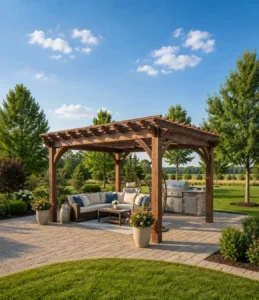
Thousands of Canadian homeowners type “pergola with a roof” into a search bar every year, and most of them are not really looking for a
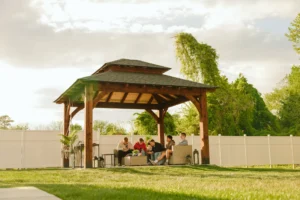
Two of the most popular outdoor structures in Canadian backyards are the pergola and the timber frame pavilion, and both are genuinely excellent choices depending
It looks like you're visiting from the United States. We have a dedicated US site for you.
Take me to the US site