
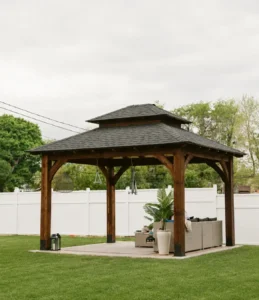
Pergola vs. Gazebo: Which One Actually Fits a Canadian Backyard
Planning a backyard upgrade in Canada usually brings homeowners to the same crossroads: a pergola or a gazebo. The pergola vs gazebo question looks simple




Adding an outdoor structure is a practical way to enhance residential properties across Canada. Whether used for entertaining, relaxation, or extending usable living space, a timber frame pavilion offers both functional and aesthetic benefits. These structures are designed to withstand varying weather conditions while providing a defined outdoor area for year-round use.
Before starting construction, it is essential to understand the legal and regulatory requirements involved. In Canada, building permits and zoning regulations are handled at the municipal level. While the structural plan and design of your pavilion are critical components, factors such as size, placement, and intended use ultimately determine whether a permit is required.
In most cases, constructing a permanent timber frame pavilion will require a building permit. These structures are typically classified as accessory buildings and must comply with local building codes and zoning bylaws. Permits ensure that the structure is safe, properly positioned, and built according to established standards.
However, not every pavilion automatically requires approval. In some municipalities, smaller structures may be exempt from permit requirements. As a general guideline, most structures larger than 10 × 10 feet are likely to require a permit. This makes it important to confirm requirements with your local authority before beginning any construction.
Permit requirements are influenced by several factors, with size being one of the most significant. A larger timber frame pavilion typically has a greater impact on the property and is therefore more likely to require approval from local authorities.
Additional considerations include the height of the structure, whether it is attached to an existing building, and its proximity to property lines. Municipalities enforce setback regulations that dictate how far a structure must be from boundaries and other buildings. A detailed structural plan helps demonstrate that the pavilion complies with these requirements and supports a smoother approval process.
A comprehensive structural plan is a key requirement for most building permit applications in Canada. Municipal authorities rely on these documents to verify that the structure meets safety standards and complies with building codes. Without proper documentation, permit approval can be delayed or denied.
For timber frame construction, engineered drawings are particularly important. NORWEH Timber Frame provides engineer-approved structures and can provide stamped drawings required for permit applications. These documents outline the design, materials, and structural connections, ensuring that the pavilion meets regulatory expectations while maintaining long-term durability.
Zoning bylaws play a critical role in determining where a timber frame pavilion can be built. Even in cases where a permit may not be required, the structure must still comply with local zoning regulations. These rules are designed to maintain safety, privacy, and proper land use within residential areas.
Setback requirements specify the minimum distance between the pavilion and property boundaries, neighbouring structures, or easements. Failing to meet these requirements can result in penalties or the need to modify the structure. A well-prepared structural plan should account for all zoning constraints before construction begins, helping to avoid potential issues.
Constructing a timber frame pavilion without the necessary permit can lead to significant consequences. Municipal authorities may issue fines, enforce stop-work orders, or require the structure to be altered or removed entirely. These actions can result in additional costs and project delays.
Unpermitted construction can also create complications when selling a property. Buyers and inspectors often require proof that all structures comply with local regulations. Ensuring that your structural plan is approved before construction begins helps protect your investment and avoids unnecessary risks.
Yes, permit requirements vary across provinces and municipalities in Canada. While national and provincial building codes establish general standards, local governments are responsible for enforcing specific rules related to construction and zoning.
Urban areas may have stricter regulations compared to rural regions, particularly when it comes to setbacks and structure size. Regardless of location, it is essential to consult your local building department before installing a timber frame pavilion. This ensures that your structural plan aligns with all applicable requirements and avoids potential compliance issues.
Applying for a building permit typically involves submitting an application along with supporting documentation. This process ensures that the proposed structure meets all safety and zoning requirements before construction begins.
Required documents often include a site plan, construction drawings, and a detailed structural plan outlining materials and design specifications. NORWEH Timber Frame structures are engineer approved, and stamped drawings can be provided if required for permit applications. While customers are responsible for obtaining permits, having accurate documentation can simplify the process and reduce delays.
The most effective way to ensure compliance is to plan carefully before construction begins. Start by contacting your local authorities to understand permit requirements, zoning regulations, and any additional approvals that may be needed.
Choosing a high-quality timber frame pavilion with an engineered structural plan can make a significant difference. NORWEH Timber Frame structures are designed with precision and built using durable materials, supporting both compliance and long-term performance. Having access to approved drawings and documentation helps streamline the approval process and ensures a smoother overall experience.
Also Read: DIY Pavilion vs Pavilion Kit: Which Is Easier for First-Time Builders?
Engineering plays a vital role in ensuring that a timber frame pavilion meets safety and performance standards. Engineer-approved designs confirm that the structure can withstand environmental factors such as snow loads, wind, and moisture, which are particularly important in Canadian climates.
A detailed structural plan prepared with engineering input provides clarity on how the pavilion will perform over time. NORWEH Timber Frame structures are designed with these considerations in mind, offering reliable solutions that meet both functional and regulatory requirements. This level of planning helps ensure long-term stability and compliance.
Also Read: Gazebo vs Pavilion: Which Is Better for Outdoor Kitchens in Canada?
Building a timber frame pavilion in Canada requires careful consideration of permits, zoning bylaws, and construction standards. While smaller structures may be exempt in some cases, most installations over a certain size will require approval and a detailed structural plan.
Understanding these requirements early in the process helps prevent delays, fines, and costly modifications. Since homeowners are responsible for securing permits, working with a provider that offers engineered designs and supporting documentation can make the process more efficient. For those planning a new outdoor structure, exploring solutions from NORWEH Timber Frame can be a practical step toward creating a compliant, durable, and well-designed addition to any property.
Planning a backyard upgrade in Canada usually brings homeowners to the same crossroads: a pergola or a gazebo. The pergola vs gazebo question looks simple
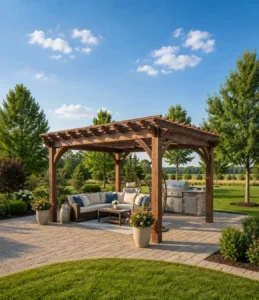
Thousands of Canadian homeowners type “pergola with a roof” into a search bar every year, and most of them are not really looking for a
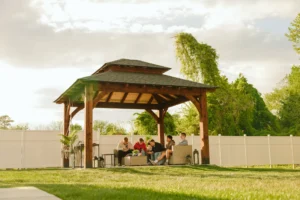
Two of the most popular outdoor structures in Canadian backyards are the pergola and the timber frame pavilion, and both are genuinely excellent choices depending
It looks like you're visiting from the United States. We have a dedicated US site for you.
Take me to the US site